Many patients worry about Hernia due to common myths. A hernia cannot be cured w...See More
Mar 12, 2026

For Quick Recoveries, Reduced Hospital Stays

Patient Awareness for Informed Decisions

With Best in Class Infrastructure and Techniques


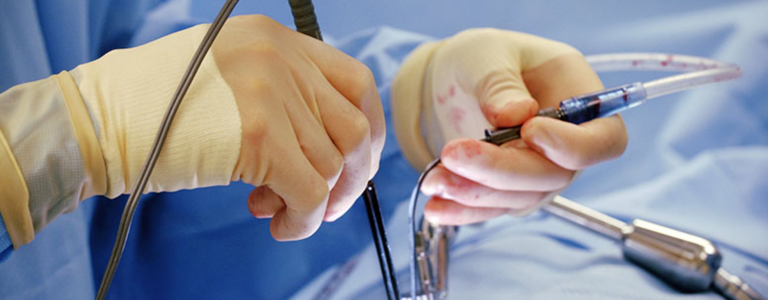
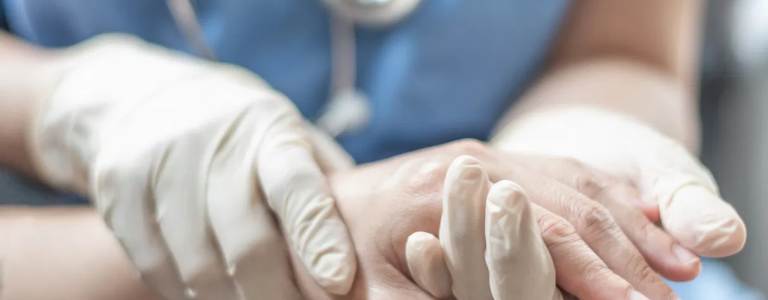
About Us



Advanced Surgical Techniques and Personalised Treatment Plans
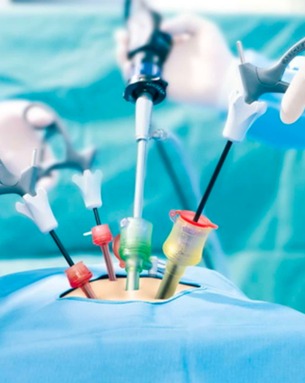
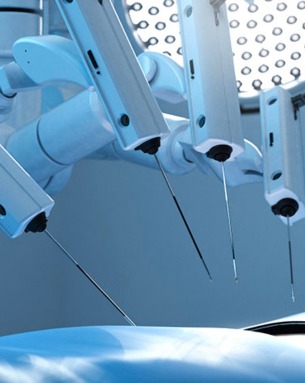
Stay informed with our latest updates, posts, announcements, and healthcare news
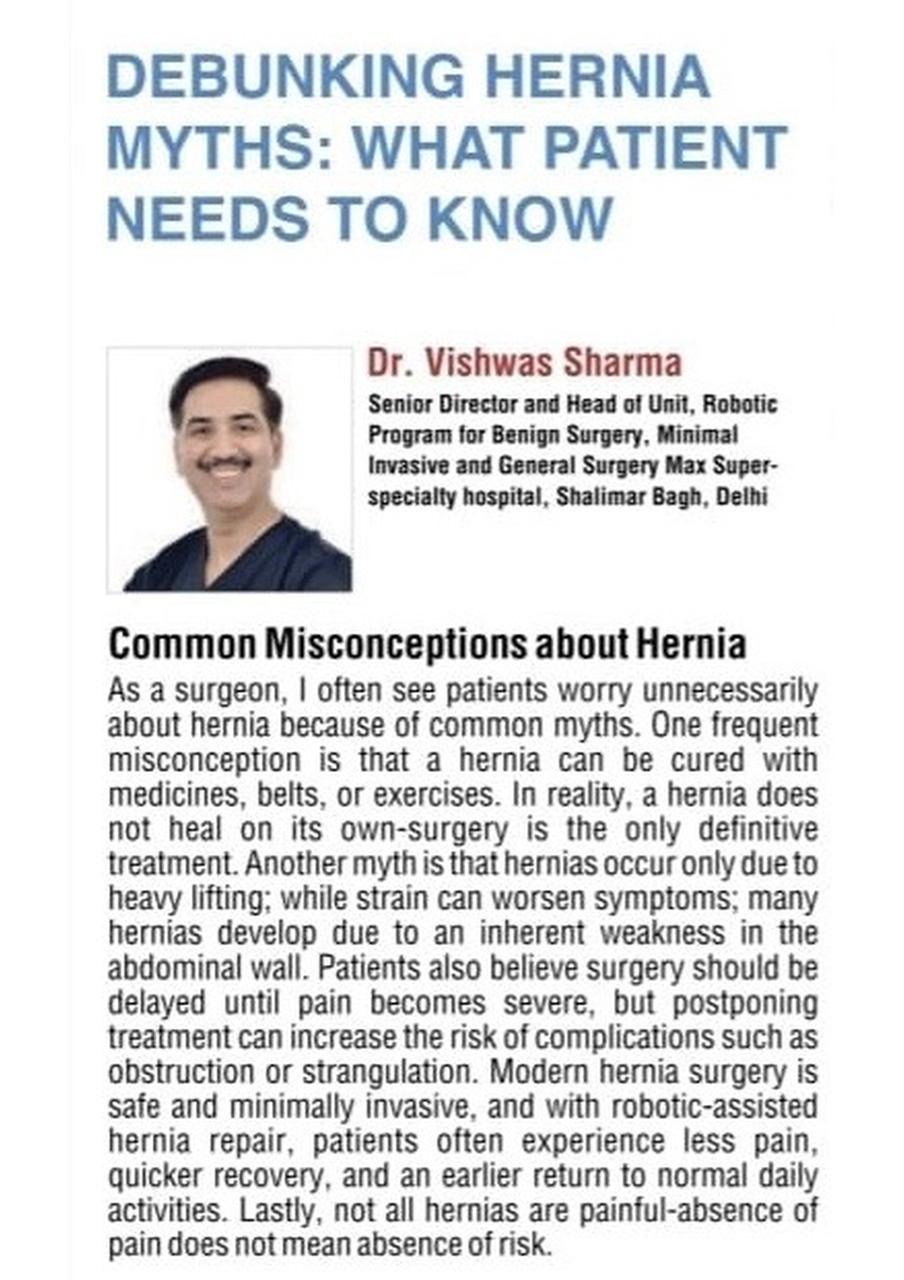
Many patients worry about Hernia due to common myths. A hernia cannot be cured w...See More
Mar 12, 2026
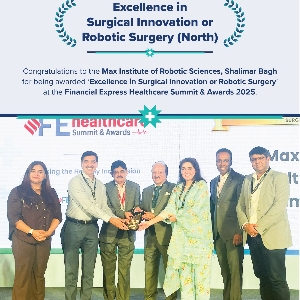
Robotic surgery in northern regions is marked by groundbreaking advancements and...See More
Dec 03, 2025
Call UsGeneral Surgeon, Laparoscopic Surgeon
.png)
What our Patients says about us
I went for a consultation with Dr. Vishwas Sharma at Max Hospital. The doctor explained the cause and solution of the problem in detail and was polite and humble.








Know your doctor better
Dr. Vishwas Sharma's extensive experience, coupled with his dedication to staying at the forefront of surgical advancements, distinguishes him as a top-tier surgeon. His commitment to patient care, coupled with his expertise in laparoscopic, robotic, and general surgeries, ensures that patients receive optimal treatment tailored to their specific needs, leading to better outcomes and enhanced patient satisfaction. Elevate your surgical experience with Dr. Vishwas Sharma, esteemed general surgeon at Max Hospital Shalimar Bagh, New Delhi.
Dr. Vishwas Sharma serves as the Director of the Department of General Surgery and Robotics at Max Super Speciality Hospital, Shalimar Bagh, New Delhi. His expertise and leadership contribute to the hospital's commitment to delivering high-quality surgical care using advanced techniques and technology. Ready to experience unparalleled surgical care? Schedule your consultation with general surgeon, Dr. Vishwas Sharma at Max Shalimar Bagh, New Delhi.
Dr. Vishwas Sharma specializes in Laparoscopic/Minimal Access Surgery, General Surgery, and Robotics. With over 26 years of experience, he has developed proficiency in various surgical procedures, including laparoscopic surgeries for abdominal conditions, robotic-assisted surgeries for precise interventions, and general surgical procedures for a wide range of medical issues. Explore comprehensive surgical solutions with Dr. Vishwas Sharma, skilled general surgeon at Max Shalimar Bagh, New Delhi.
Trauma surgeons are trained to manage a wide range of injuries resulting from accidents, falls, violence, and other traumatic events. Common injuries treated in emergency settings include fractures (broken bones), traumatic brain injuries (concussions, skull fractures), penetrating injuries (stab wounds, gunshot wounds), abdominal trauma (internal organ injuries, bleeding), chest trauma (rib fractures, lung injuries), and soft tissue injuries (lacerations, contusions). These injuries may vary in severity, from minor to life-threatening, and require immediate medical attention to prevent further complications and optimize outcomes. Trauma surgeons use their expertise in surgical and critical care to stabilize patients, address life-threatening injuries, and coordinate ongoing care with other healthcare providers as needed. Prompt recognition and treatment of traumatic injuries are essential for achieving favorable outcomes and reducing the risk of long-term complications. Take control of your health journey with Dr. Vishwas Sharma, compassionate general surgeon at Max Shalimar Bagh, New Delhi.
General surgeons play a vital role in the management of head and neck conditions, including benign and malignant tumors, thyroid disorders, and other surgical problems affecting the region. Common procedures performed by general surgeons in this specialty area include thyroidectomy (removal of the thyroid gland), parathyroidectomy (removal of the parathyroid glands), and neck dissection (removal of lymph nodes). These surgeries may be indicated for various reasons, such as the treatment of thyroid cancer, hyperthyroidism, enlarged thyroid nodules, or head and neck cancers. General surgeons work closely with multidisciplinary teams, including endocrinologists, oncologists, and radiologists, to provide comprehensive care for patients with head and neck conditions. Your surgeon will evaluate your specific condition and recommend the most appropriate treatment approach based on factors such as the type and stage of the disease, your overall health status, and your treatment goals. Empower yourself with informed decisions under the guidance of Dr. Vishwas Sharma, esteemed general surgeon at Max Shalimar Bagh, New Delhi.
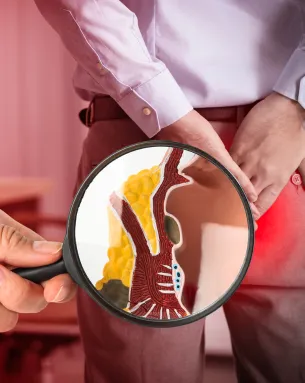
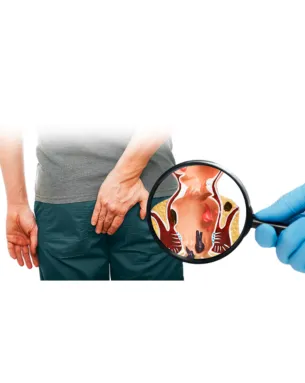
Laser surgery offers several advantages over traditional surgical techniques for treating pilonidal sinus, fistula, and piles. Unlike conventional surgery, which requires incisions and tissue dissection using scalpels or scissors, laser surgery utilizes a focused beam of light energy to precisely target and remove affected tissue while sealing blood vessels simultaneously. This results in less bleeding, reduced trauma to surrounding tissues, and faster healing for patients. Additionally, laser surgery is associated with minimal postoperative pain and discomfort, allowing for quicker recovery times and earlier return to daily activities. While both traditional and laser surgeries can effectively treat these conditions, laser surgery may offer certain advantages, particularly for patients seeking less invasive treatment options or those with specific medical considerations. Your surgeon will discuss the benefits and risks of laser surgery compared to traditional techniques and help you make an informed decision based on your individual needs and preferences. Transform your health outcomes with the expertise of Dr. Vishwas Sharma, dedicated general surgeon at Max Shalimar Bagh, New Delhi.
Trauma and emergency surgeries are prioritized based on the severity of the patient's condition and the urgency of the intervention required. Life-threatening injuries, such as severe bleeding, airway obstruction, or organ damage, receive immediate attention and surgical intervention to stabilize the patient's condition. Trauma surgeons use triage systems to prioritize surgeries effectively, ensuring that resources are allocated to patients with the most critical needs first. Less urgent cases may undergo diagnostic tests or receive non-surgical interventions initially, depending on the patient's stability and the nature of their injuries. The goal is to provide timely and appropriate care to all patients while prioritizing those with the highest risk of morbidity and mortality. Seeking expert surgical guidance? Turn to Dr. Vishwas Sharma, experienced general surgeon at Max Shalimar Bagh, New Delhi.
General surgeons play a crucial role in the management of thyroid disorders and benign breast diseases. For thyroid disorders, including thyroid nodules, goiter, and thyroid cancer, general surgeons perform procedures such as thyroidectomy (removal of part or all of the thyroid gland) and thyroid lobectomy (removal of one lobe of the thyroid gland). Similarly, for benign breast diseases such as fibroadenomas, cysts, and benign breast tumors, general surgeons may perform lumpectomy (removal of the tumor) or excisional biopsy. These surgical interventions aim to alleviate symptoms, treat underlying conditions, and, in cases of cancer, remove malignant tissue to prevent further spread. Your surgeon will discuss the appropriate treatment options based on your diagnosis and individual health needs. Discover personalized surgical solutions tailored to your needs with Dr. Vishwas Sharma, trusted general surgeon at Max Shalimar Bagh, New Delhi.
Yes, laser surgery is a viable option for treating pilonidal sinus, fistula, and piles. The precision of laser technology allows surgeons to target affected tissue accurately while minimizing damage to surrounding healthy tissue. Laser surgery offers several benefits, including minimal bleeding, faster healing, and reduced postoperative pain compared to traditional surgical techniques. Patients undergoing laser surgery for these conditions typically experience shorter recovery times and can resume normal activities sooner. However, the suitability of laser surgery depends on factors such as the severity of the condition and individual patient characteristics. Your healthcare provider will assess your case and recommend the most appropriate treatment option for you. Ready to embark on your journey to better health? Consult Dr. Vishwas Sharma, leading general surgeon at Max Shalimar Bagh, New Delhi.
Robotic surgery offers several advantages for patients undergoing gall bladder and hernia procedures. The precision and flexibility of robotic arms allow surgeons to perform complex surgeries through smaller incisions with enhanced visualization and control. As a result, patients experience less postoperative pain, reduced risk of complications, and faster recovery times compared to traditional open surgery. Additionally, robotic surgery minimizes scarring and provides better cosmetic outcomes. By choosing robotic surgery for gall bladder and hernia procedures, patients can expect shorter hospital stays and quicker return to daily activities, leading to improved overall satisfaction with their surgical experience. Experience excellence in surgical care with Dr. Vishwas Sharma, renowned general surgeon at Max Shalimar Bagh, New Delhi.
Recovery time after laparoscopic surgery varies depending on factors like the specific procedure and individual health. However, in general, patients experience shorter recovery periods compared to traditional open surgery. Most patients can resume normal activities within a few days to weeks post-surgery. The smaller incisions used in laparoscopic surgery result in less postoperative pain, reduced risk of infection, and minimal scarring. Your surgeon will provide specific postoperative care instructions tailored to your procedure to ensure a smooth recovery process. Always follow your surgeon's guidance and attend follow-up appointments for the best outcomes. Elevate your surgical experience with Dr. Vishwas Sharma, esteemed general surgeon at Max Hospital Shalimar Bagh, New Delhi.
 Address :Max Super Speciality Hospital, C and D Block, Shalimar Place Site, Shalimar Bagh, North West Delhi 110088, Delhi